Get to know Natsume Sōseki through his character. You’ll come to like him.
Have a conversation with a literary giant through AI.
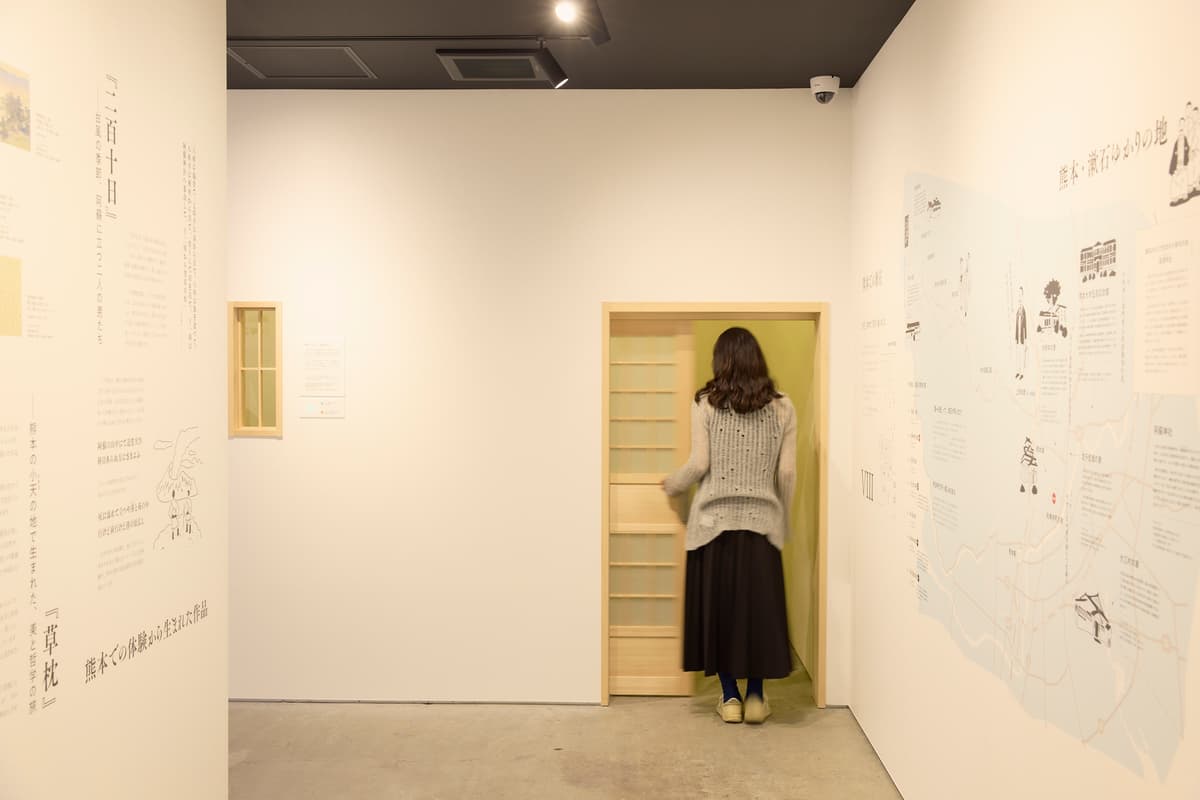
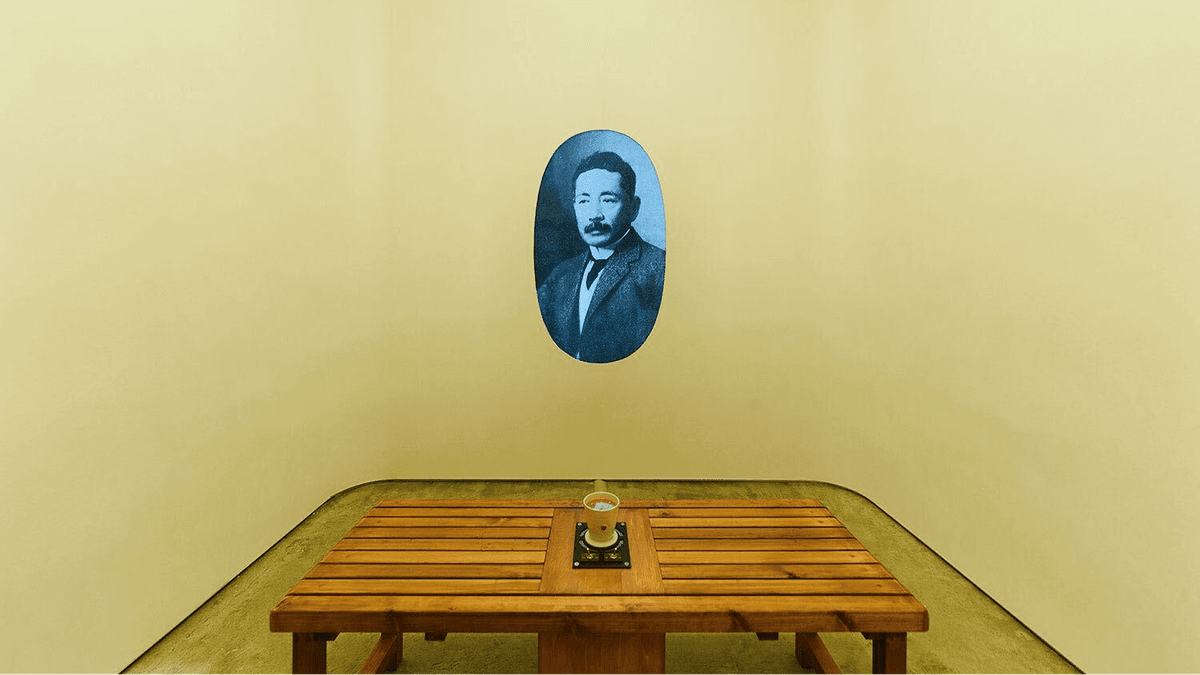
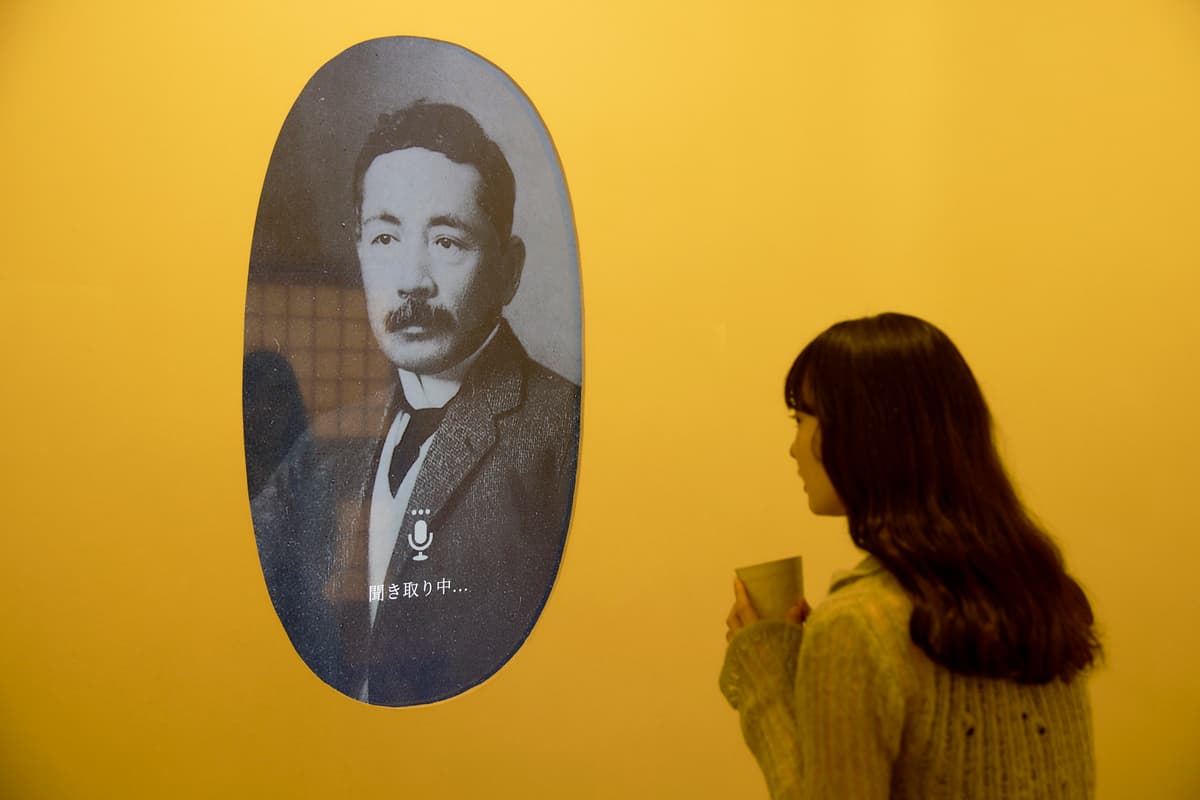
“Please Listen, Mr. Natsume!” is an interactive exhibit at the “Natsume Pajium,” a literary museum that recently opened in Kumamoto City. Konel was responsible for the planning, AI development, and creative direction of this experience, which uses AI to allow visitors to converse with Natsume Sōseki. Through dialogues designed based on Sōseki’s personality and anecdotes, the experience enables visitors to encounter Sōseki not as the literary giant from their textbooks, but as a real person.
Concept
A Dialogue Experience Born from a Museum Where “Character Is the Gateway”
The Natsume Perseum is a facility built around the concept of “a literary museum dedicated to Natsume Sōseki where personality serves as the gateway,” using the coined term “Perseum”—a blend of “Personality” and “Museum.” Set against the historical backdrop of the site where Sōseki served as a teacher at Kumamoto Fifth High School and where his former residence once stood, the museum centers on experiences that allow visitors to become familiar not only with his works but also with Sōseki himself as a person.
The museum is organized into five steps: “Get to Know His Personality,” “Experience the World of His Works,” “Have a Conversation with Soseki,” “Read His Works,” and “Broaden and Deepen Your Interest.” “Please Listen, Professor Natsume!” serves as the interactive content for the “Have a Conversation with Soseki” experience. It aims to bring visitors closer to the literary giant—a figure who might otherwise seem distant—through the most familiar means: conversation.
Creation
Bringing Soseki’s Personality to Life Through Dialogue with AI
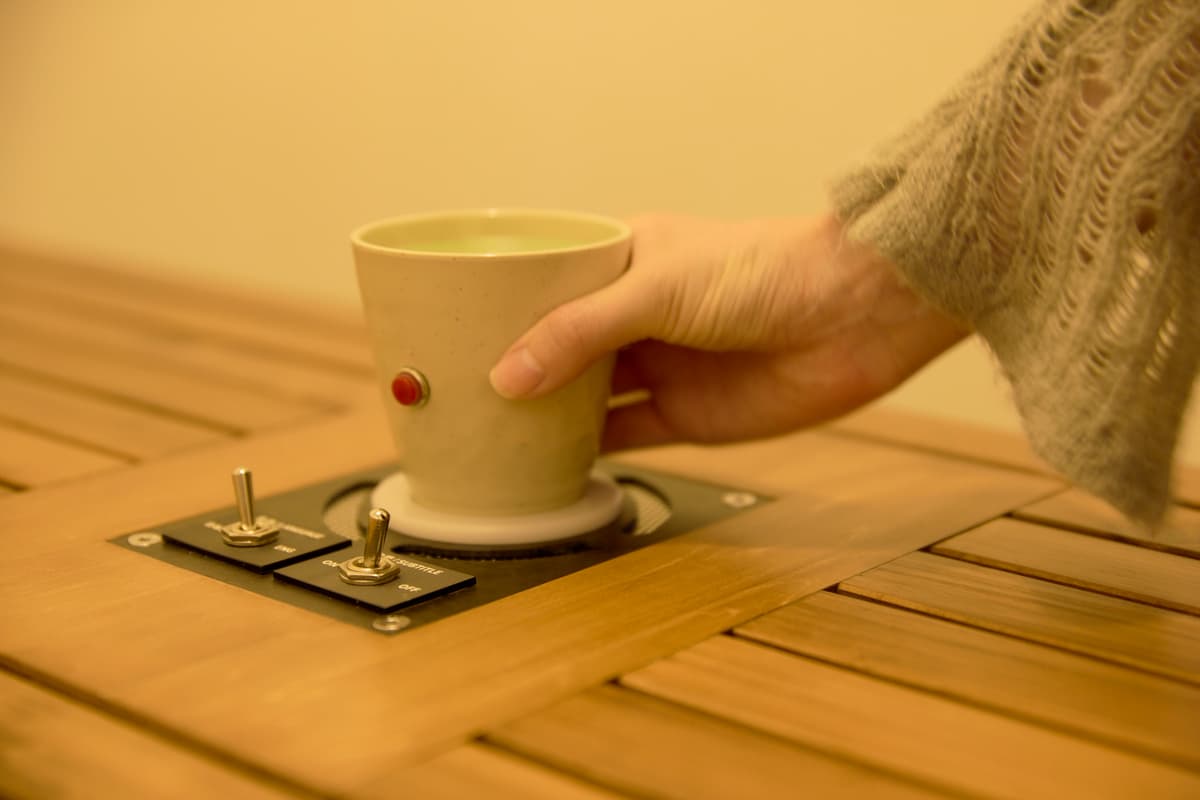
By training a large language model (LLM) on historical facts and Soseki’s works, we have constructed a conversational persona and responses characteristic of Soseki, designing a conversational experience where visitors can ask questions freely. Conversations take place via a provided teacup and are available in both Japanese and English. To ensure accessibility, visitors can also choose whether to display subtitles. Rather than presenting a stiff historical lecture with only audio or subtitles, the creative direction focused on reducing the psychological distance between visitors and Soseki through down-to-earth exchanges that naturally elicit laughter.